Add Fonts To Photoshop Cc; Download A Font On Mac; For a graphic designer, it's important to have plenty of different font options. But when it comes to building out an extensive font collection, many designers find themselves stuck with fonts added to programs where they're unlikely to use them and a slower than usual PC as a result. How to add fonts to photoshop mac. Then click to download and save the font. Mac font book to access swashes & alternates on a mac you can use font book. We can use this tool to add new. If the process went well, when you will open the photoshop the new font will be in the type tool fonts list, ready to be used! How to add font to photoshop.
Everyone knows Adobe Photoshop is one of the best image manipulating software, which can be put to a number of uses. Making posters, flexes, banners or other documents is easy on Photoshop.
Step 1: Close all open applications
This is necessary for the font file to be downloaded to your Mac.
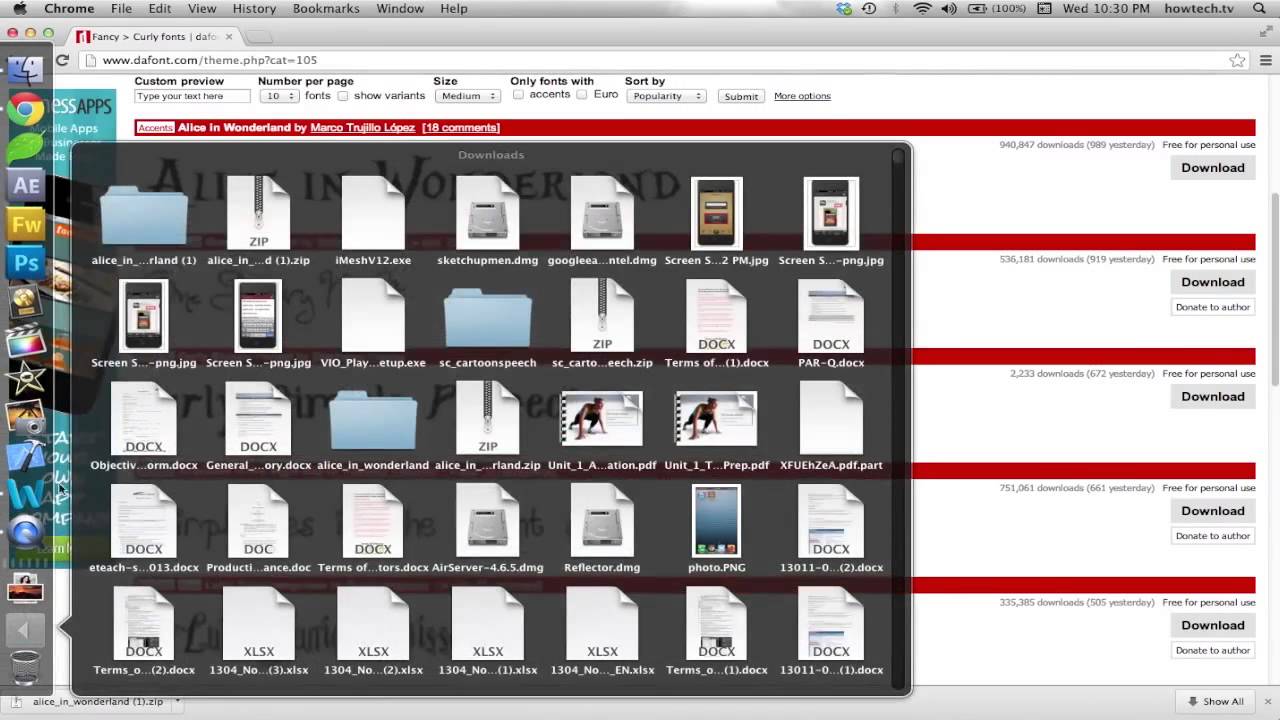
Step 2: Download the font
There are a number of freely downloadable fonts on the Internet, some of them exclusively for Photoshop. You can try dafont.com or 1001freefonts.com or free4photoshop.com for some really eye-catching fonts. The downloading process will most probably be different according to the OS you are using, but those instructions will be given on the website. Here is a list of file extensions recognizable by Mac OS X.
- .otf (OpenType)
- .ttf (TrueType)
- .ttc (TrueType Collection)
- .dfont
- Type 1 (Postscript)
Step 3: Extract the font
Most font files will come compressed in a .zip file, so they have to be extracted. If you have the OS X you can decompress by simply double clicking the .zip folder. For operating systems below OS X, you can extract the fonts with the help of a font management utility called Stuffit Expander which opens .zip or.rar files. This can be freely downloaded from the home website.
Step 4: Install fonts
Once the files are decompressed in your Downloads folder, you can to install them. Mac OS 10.3 and above comes with a built-in Font Book which makes installation easier, but those that don’t have this version will have to install manually. Both methods are listed below:
Manual Installation

Mac OS X allows you to install your fonts in different folders. These will be at the following locations:
Users/User_name/Library/Fonts – These are meant to be accessed by a single user. The Library folder is hidden in OS Lion and Mountain Lion versions. This can be opened by clicking on the Go tab on the Navigation Toolbar while keeping the Finder window open. Then hold down the Option key (Alt) on your keyboard. The Library option will be made visible, and double-clicking it will cause the window to open. Click on the Fonts option in the Library menu. Then drag and drop your downloaded fonts from the Downloads menu on to the Fonts window For Mavericks and Yosemite, you have to choose View>Show View Options>Show Library Folder. The Library Folder will appear on your Home Folder.
Library/Fonts – These are meant for all the users who use the computer. You can access this by logging in as the Administrator.
Network/Library/Fonts – Fonts installed on this Folder will be available for intranet sharing purposes.
System Folder/Fonts – Fonts should be installed here if you’re using Mac OS 9 or below.
Installation using Font Book
Installing with Font Book is relatively easier than manual install. All you have to do in this case is open the Font Book option in the Toolbar section (or go to the Applications tool if the Font Book already there in the Toolbar). Once Font Book is opened, in the left hand panel, click Users. All your in-built Fonts will appear, with the Preview in the right hand panel. Drag and drop your fonts from the Downloads window on to the Font panel in your Font Book. Then double click on the Font and select Install Font at the lower right corner.

Step 5: Using Fonts on Photoshop
Once you’ve installed the Fonts onto your Mac Operating System, it will automatically be available on all applications running in the native OS X environment or the carbon environment. Classic applications will require an Adobe Type Manager (ATM), however, this is unnecessary for Photoshop. To view your downloaded Fonts on Photoshop, open the program. To access your Fonts, click on the large icon marked ‘T’ on the left hand Toolbar. The Fonts will appear in the horizontal Toolbar above the window. Scroll down the different Font options and you are sure to find the downloaded font.
tags:CS5CS6FontsfreeMacPhotoshop3.34K+40 4 0previousThe Most Common WordPress Installation Mistakes and WordPress Installation Features For Popular Hosting Providers nextWhat is the Best Antivirus Software for Windows? Lester ConwayI'm a professional web developer. 11 years of experience force me to say: 'If you don't know how to do it - ask me and will answer on all your questions'. A bit arrogant? So what?Related Posts10 Important Factors of Effective Website Design of 2018
Install fonts
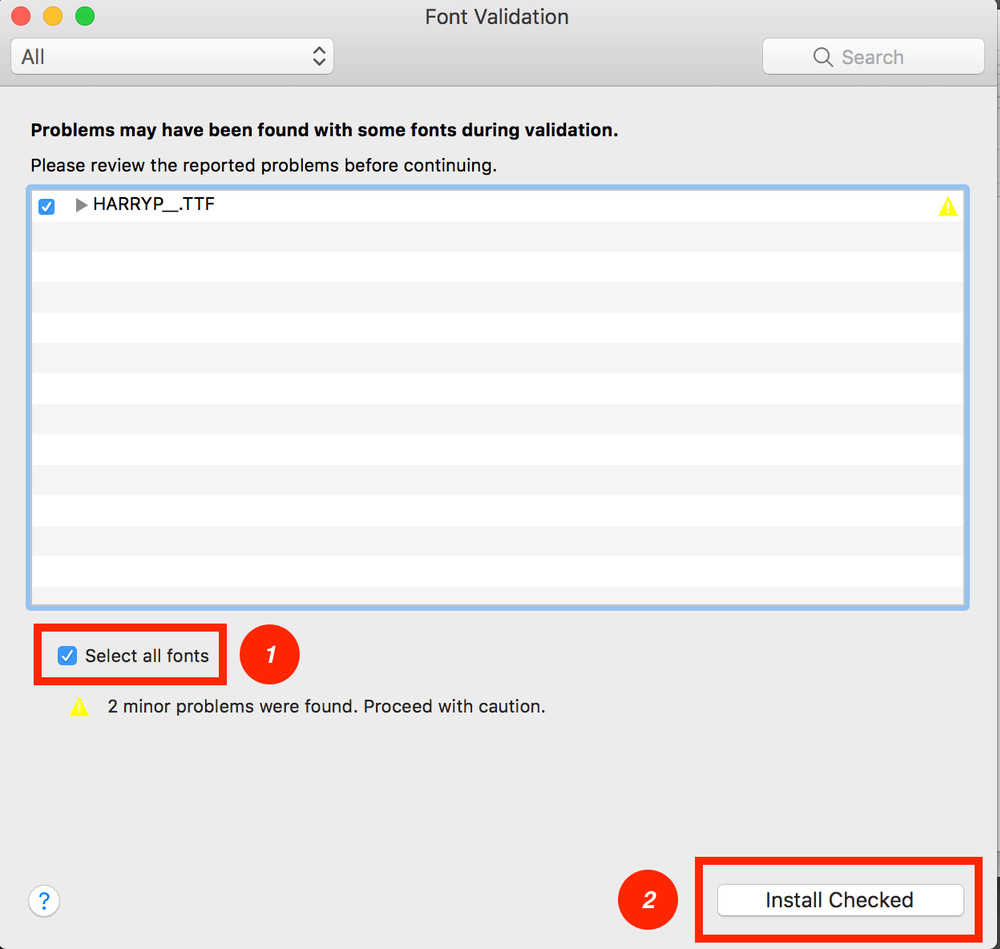
Double-click the font in the Finder, then click Install Font in the font preview window that opens. After your Mac validates the font and opens the Font Book app, the font is installed and available for use.
You can use Font Book preferences to set the default install location, which determines whether the fonts you add are available to other user accounts on your Mac.
Fonts that appear dimmed in Font Book are either disabled ('Off'), or are additional fonts available for download from Apple. To download the font, select it and choose Edit > Download.
Disable fonts
You can disable any font that isn't required by your Mac. Select the font in Font Book, then choose Edit > Disable. The font remains installed, but no longer appears in the font menus of your apps. Fonts that are disabled show ”Off” next to the font name in Font Book.
Remove fonts
You can remove any font that isn't required by your Mac. Select the font in Font Book, then choose File > Remove. Font Book moves the font to the Trash.
Learn more
Add Fonts To Photoshop Cc
macOS supports TrueType (.ttf), Variable TrueType (.ttf), TrueType Collection (.ttc), OpenType (.otf), and OpenType Collection (.ttc) fonts. macOS Mojave adds support for OpenType-SVG fonts.
How To Install Fonts On A Mac
Legacy suitcase TrueType fonts and PostScript Type 1 LWFN fonts might work but aren't recommended.